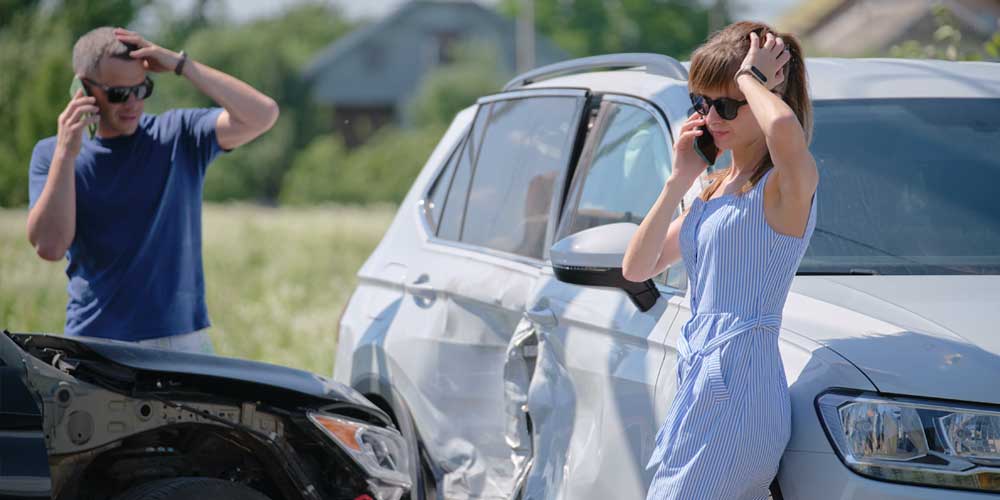
Understanding possible coverage and other options after an uninsured-driver crash.
Learning that the driver who injured you has no insurance can make an already stressful accident feel even more uncertain. You may wonder who will pay for treatment or whether pursuing a claim is pointless.
An uninsured driver can create real collection problems, but it does not automatically mean there are no available options. Your own coverage, other applicable policies, and the responsibility of additional parties may need review.
The answer depends on the accident, the policy language, and Pennsylvania law.
At Anzalone & Doyle Trial Lawyers, we believe a careful coverage investigation is important before an injured person gives up on a potential recovery.
First, Confirm the Driver’s Insurance Status
A driver’s statement at the scene is not a complete insurance investigation. The person may have forgotten a card, provided outdated information, or been driving a vehicle insured through someone else.
Useful information includes:
- The driver’s name and contact details.
- The vehicle owner’s identity.
- The license plate and registration information.
- Any insurance card or policy information provided.
- Whether the driver was working or making a delivery.
- Letters explaining a coverage denial or cancellation.
A coverage denial may also require review of the policy and relevant facts. An attorney can examine whether there is applicable coverage rather than relying solely on a driver’s belief or a brief telephone statement.
What Is Uninsured Motorist Coverage?
Uninsured motorist coverage, often called UM coverage, may provide compensation for covered injuries caused by a legally responsible uninsured driver. Certain hit-and-run situations may also qualify, subject to policy and legal requirements.
UM is different from the liability coverage that protects you when you cause injury to someone else. It is intended to provide a potential source of recovery when the responsible driver lacks applicable insurance.
Whether you have UM coverage depends on the policies and valid coverage selections involved. It should not be assumed to exist simply because you carry an auto policy. Obtain the complete
documents and any rejection forms for review.
How Is Underinsured Motorist Coverage Different?
Underinsured motorist coverage, or UIM coverage, addresses a different problem: a responsible driver has insurance, but the available coverage is insufficient for the covered losses.
For example, a serious injury may produce damages greater than the liability coverage available from the other driver. UIM may help if it applies under a relevant policy.
UM and UIM are not interchangeable, and neither guarantees payment of every loss. Coverage limits, policy conditions, fault, and the supported value of the injury claim still matter.
An attorney can determine which type of coverage fits the facts and whether more than one policy should be considered.
Could a Household or Other Policy Apply?
Potential coverage may involve the vehicle you occupied, a policy under which you are insured, or another applicable household or employer policy. Eligibility is highly dependent on the wording and legal rules governing the coverage.
Stacking, which can combine certain coverage limits, may also be relevant. However, waivers, exclusions, and the relationship between policies can make the analysis complicated.
Bring declarations pages, full policies, coverage-selection forms, and rejection or waiver documents to your attorney. Do not assume that every policy in a household applies, or that a single listed limit is necessarily the end of the investigation.
Who Pays Medical Bills While the Claim Is Reviewed?
Pennsylvania auto policies generally include medical benefits coverage, which may pay covered medical expenses without requiring a final fault determination. The available amount and order of coverage depend on the circumstances.
Health insurance or workers’ compensation may also be relevant in some situations. Those benefits are different from a settlement for the driver’s legal responsibility.
Ask your providers and insurers how bills should be submitted, and keep records of payments and denials. Do not assume that an uninsured-driver claim must be resolved before any medical coverage can be explored. Coverage questions should not replace appropriate medical care.
Can I Sue the Uninsured Driver Personally?
A lack of insurance does not automatically eliminate a negligent driver’s legal responsibility. A lawsuit may still be possible when the evidence and applicable law support it.
However, winning a judgment and collecting money are different issues. A driver may have limited assets or income available for collection, and legal protections can affect what may be recovered.
A practical evaluation should address:
- Whether responsibility can be established.
- The losses supported by the evidence.
- Whether a collectible source of payment exists.
- The costs and risks of pursuing the matter.
No attorney can promise that a judgment against an uninsured person will be fully paid.
Could Someone Else Share Responsibility?
The investigation may identify another negligent driver, an employer responsible for a driver’s conduct, or another party whose actions contributed to the crash. Liability depends on the specific facts and legal relationship.
Vehicle ownership alone does not automatically make someone responsible for every act of the driver. Likewise, the fact that a driver was working does not answer every employment or coverage question.
The purpose of a broader investigation is to identify legitimate sources of responsibility and coverage, not to assume that every person connected with a vehicle can be sued.
What Should I Do to Protect the Claim?
Report the accident promptly under applicable policies and preserve police information, photographs, witness details, and medical records. Hit-and-run claims can involve special reporting and proof requirements.
Before settling with any party, review notice and consent conditions that could affect UM or UIM rights. A release signed in one part of the matter may create problems for another available claim.
Ask an attorney to identify both court deadlines and policy requirements. An ongoing coverage investigation should not be assumed to stop either clock.
How Can Anzalone & Doyle Help?
An attorney can investigate coverage, review rejection or waiver documents, examine other parties’ responsibility, and assess the practical paths toward compensation.
At Anzalone & Doyle Trial Lawyers, we believe an uninsured-driver problem deserves careful attention to the full circumstances. The first answer you receive may not identify every relevant policy or legal option.
Explore Your Options After an Uninsured-Driver Accident
If you were injured in Scranton, Wilkes-Barre, Hazleton, or elsewhere in Northeastern Pennsylvania, gather your insurance documents and learn what protection may be available.
Contact Anzalone & Doyle Trial Lawyers to discuss the accident, review potential coverage, and understand your legal options.
Let The Team At Anzalone & Doyle Fight For You.
Why is it important to submit our Free Case Review form?
Submitting our web form regarding your personal injury case is a critical first step that initiates the legal process, allowing our experienced attorneys to immediately review the merits of your claim and start preserving crucial evidence before it is lost. By providing detailed information about the incident, your injuries, and the parties involved, you enable our legal professionals to quickly assess liability and estimate the potential value of your case. Furthermore, this prompt,, secure, and convenient method of communication ensures that essential details are captured accurately, helping to prevent insurance companies from devaluing or denying your claim due to gaps in documentation. Ultimately, taking this proactive step helps protect your rights and increases the likelihood of securing maximum compensation for medical expenses, lost wages, and pain and suffering.